

Some tales from Ísland
Some tales from Ísland
_______
Iceland, often conjured in the mind as a realm of icy landscapes, geysers, and the mesmerizing Northern Lights, is not just a physical land but a confluence of history, literature, and geology. Let’s embark on a journey that traverses its diverse terrains, both literary and geological, while unveiling the rich tapestry of its past.
Geology and Geography: Nature's Masterpiece
Iceland’s geology and geography are as dramatic as its sagas. Situated on the Mid-Atlantic Ridge, it’s one of the few places where the Earth’s tectonic plates can be observed on land. This position means that Iceland is geologically active, boasting numerous volcanoes, geysers, and hot springs.
Its glaciers, including the vast Vatnajökull, are among Europe’s largest. These glaciers sculpt the land, creating fjords, valleys, and waterfalls like the iconic Gullfoss. Additionally, Iceland’s unique geography means it’s home to phenomena like the midnight sun during summer and extended darkness in winter, both of which have deeply influenced its culture and folklore.
The Name "Iceland" and its Origins
The name Iceland, or “Ísland” in Icelandic, translates to “Ice Land”. While seemingly direct, the story behind this name is more intricate. The name’s popular origin traces back to the Norse explorer, Flóki Vilgerðarson. His expedition in the 9th century led him to a fjord filled with ice, prompting the naming of the island as Ísland.
Historical Names and Identity
Long before it was widely known as Iceland, early explorers and inhabitants bestowed upon it various titles:
- Snæland: Denoting “Snow Land”, attributed to Norse explorer Naddodd.
- Gardar’s Island: Named Gardarsholmi after its discoverer, Gardar Svavarsson.
- Thule: An ancient, mysterious location some believe to be Iceland.
But also – and these are fjello’s preferred ones 🙂
- Fjalladrottning: Meaning “queen of the mountain,” highlighting Iceland’s majestic landscapes.
- Fjallkonan: Representing Iceland as the “lady of the mountain”, a symbolic figure embodying the nation’s spirit.
Literary Legacy: The Icelandic Sagas
Iceland’s literary contributions are epitomized by its sagas—detailed prose narratives depicting the adventures, conflicts, and lives of early Icelanders. Works like “Egils saga” provide an intimate look into the societal dynamics of early Icelandic communities. These sagas are not just tales but chronicles that bring to life Viking Age and medieval Norse culture.
The Icelandic sagas, primarily penned between the 12th and 14th centuries, were based on older oral traditions. These are narratives written in prose that chronicle the events, exploits, and everyday life of the Icelanders and their ancestors from the late 9th to early 11th century—the so-called Saga Age.
Distinctive for their deep realism, these sagas, while set in a time of heroic exploits and supernatural occurrences, are grounded in the tangible and the human. Unlike other medieval epics, they often eschew grandiosity, focusing instead on nuanced character development, intricate social dynamics, and the raw complexities of human nature.
There are many types of sagas in Icelandic tradition:
- Family Sagas (Íslendingasögur): These center on the lives of original settlers of Iceland, their descendants, and the conflicts they navigated. Notable examples include “Njáls saga” and “Egils saga.”
- King’s Sagas (Konungasögur): These sagas chronicle the lives of Scandinavian kings. “Heimskringla” by Snorri Sturluson, detailing Norwegian kings’ histories, is a prominent example.
- Legendary Sagas (Fornaldarsögur): Set in a time before Iceland’s settlement, these sagas blend history with mythology, presenting heroes, dragons, and magical feats.
- Contemporary Sagas (Samtíðarsögur): These offer insights into 11th and 12th-century Icelandic history, often with a more pronounced political slant.
A Land Settled and Shaped
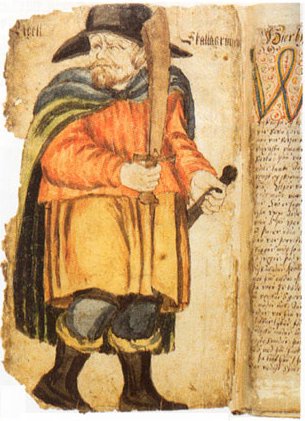
Norse settlers, mainly from Norway, began arriving in Iceland in the latter half of the 9th century. Ingólfur Arnarson is often recognized as the first permanent Norse settler, establishing his homestead in what’s now Reykjavík. The “landnám” era saw a rapid influx of Norsemen and their Celtic slaves, laying the foundation of a new society.
Iceland evolved into a unique Norse culture, influenced by its isolation and Celtic influences. The Althing, established in 930 AD, is among the world’s oldest parliaments.
Far from being a mere land of ice, Iceland emerges as a vibrant interplay of history, literature, and geology. It’s a place where tales from sagas intertwine with geological wonders, making Iceland not just a destination but an experience, echoing the tales of yore amidst the whispers of its winds and waters.
What are you waiting for?